


















Robotic Joint Replacement Surgery at Jeevandan Hospital, Patna: What Patients Should Know?


Knee pain can gradually affect almost every part of daily life. Walking, climbing stairs, exercising, or even getting up from a chair can become difficult when severe knee arthritis or joint damage progresses. For patients who do not find sufficient relief from medicines, physiotherapy, lifestyle changes, or other non-surgical treatments, knee replacement may eventually become an option.
With advancements in orthopedic technology, patients in Bihar now have access to newer approaches to joint replacement surgery. Jeevandan Health has introduced Robotic-assisted joint replacement surgery in Patna, bringing advanced robotic technology to patients seeking modern orthopedic care closer to home.
Jeevandan Hospital's introduction of robotic joint replacement represents an important development for orthopedic care in Patna. As the first hospital in Patna to launch robotic joint replacement surgery, Jeevandan Health is contributing to the availability of technology-assisted orthopedic procedures in the region.
If you are searching for Robotic knee replacement surgery in Patna, a knee replacement hospital in Patna, or want to understand whether robotic-assisted surgery may be suitable for your condition, here is what you should know.
What Is Robotic-Assisted Knee Replacement?
Robotic-assisted knee replacement is a technology-supported approach to joint replacement surgery. It combines the expertise and decision-making of an orthopedic surgeon with advanced robotic assistance and computerized planning.
The objective is to help the surgeon achieve accurate alignment and positioning of the knee replacement components while tailoring the procedure to the patient's individual anatomy.
Jeevandan Health's Contribution to Robotic Joint Replacement in Patna
The introduction of robotic joint replacement at Jeevandan Health, Patna, is an important step in expanding access to advanced orthopedic treatment in Bihar.
Traditionally, patients seeking highly specialized joint replacement procedures may have considered travelling to larger metropolitan cities outside Bihar. By introducing robotic-assisted joint replacement technology in Patna, Jeevandan Health is helping make advanced orthopedic care available within the state.
As the first hospital in Patna to launch robotic joint replacement surgery, Jeevandan Health aims to combine modern surgical technology with experienced orthopedic care and comprehensive patient support.
Myths vs Facts About Robotic Knee Replacement
Myth 1: The Robot Performs the Surgery Alone
Fact: Robotic-assisted surgery is performed under the control of the orthopedic surgeon. The robotic system serves as a technology-assisted surgical tool rather than an independent surgeon.
The surgeon makes the important clinical decisions and uses the system to assist with precision during the procedure.
Myth 2: Robotic Knee Replacement Is Unsafe
Fact: Robotic assistance is designed to support surgical planning and precision. Like every major surgical procedure, knee replacement carries potential risks, and the suitability of robotic-assisted surgery depends on the individual patient.
Patients should discuss their medical history, expectations, and potential risks with their orthopedic surgeon before deciding on surgery.
Myth 3: Robotic Surgery Guarantees Instant Recovery
Fact: Robotic assistance does not mean that recovery happens instantly. Recovery varies from patient to patient and depends on factors such as age, overall health, muscle strength, surgical complexity, rehabilitation, and adherence to postoperative instructions.
Some patients may experience benefits associated with accurate surgical planning and implant positioning, but recovery timelines cannot be guaranteed.
Myth 4: Robotic Knee Replacement Is Only for Young Patients
Fact: Knee replacement is commonly considered for people with advanced joint damage, including older adults with severe osteoarthritis. However, age alone does not determine whether a patient is suitable for robotic-assisted surgery.
An orthopedic surgeon evaluates the condition of the knee, symptoms, general health, activity level, and other factors before recommending treatment.
Myth 5: Robotic Knee Replacement Is Extremely Risky
Fact: Robotic assistance is intended to support precision and surgical planning. However, robotic-assisted knee replacement, like conventional knee replacement, is still a major surgical procedure and can have risks.
A detailed consultation is important to understand both the potential benefits and limitations.
Who May Benefit From Knee Replacement?
Not every patient with knee pain needs knee replacement. In many cases, doctors first recommend non-surgical treatments such as medication, physiotherapy, weight management, activity modification, or other appropriate therapies.
Knee replacement may be considered when joint damage becomes advanced and symptoms significantly affect quality of life.
Patients may be evaluated for knee replacement if they experience:
- Severe osteoarthritis or advanced joint damage
- Persistent or chronic knee pain
- Difficulty walking or standing
- Difficulty climbing stairs
- Knee stiffness and reduced mobility
- Knee deformity
- Pain that interferes with sleep or daily activities
- Limited improvement despite appropriate non-surgical treatment
The orthopedic team at Jeevandan Hospital evaluates each patient's condition before recommending whether knee replacement is appropriate and whether a robotic-assisted approach may be suitable.
What Happens During Robotic Knee Replacement?
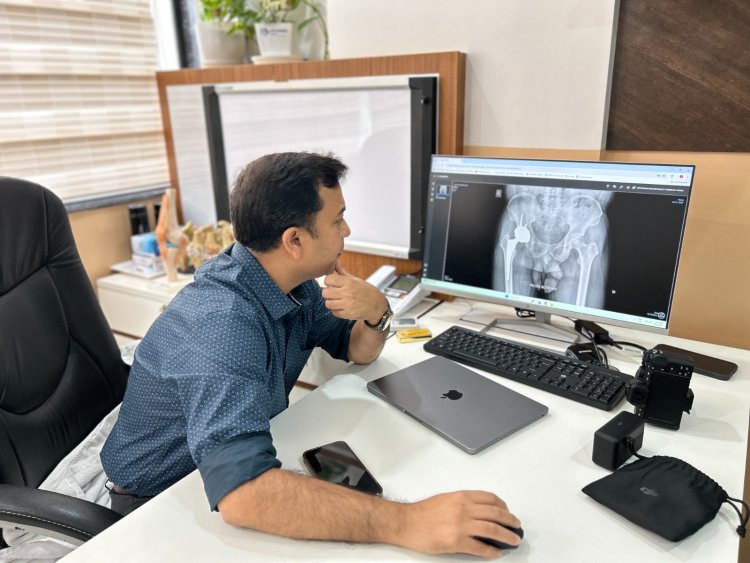
The process begins with a detailed orthopedic evaluation. Depending on the patient's condition, the doctor may recommend imaging and other assessments to understand the extent of joint damage.
If robotic-assisted knee replacement is considered appropriate, the surgical team develops a procedure-specific plan based on the patient's anatomy.
During surgery, the orthopedic surgeon uses the robotic system as an assistance tool. The technology can help the surgeon execute the planned procedure with controlled and precise movements.
The damaged portions of the knee are prepared, and the appropriate implant components are positioned according to the surgical plan.
Recovery After Robotic Knee Replacement
Recovery after knee replacement is a gradual process rather than an overnight change.
Many patients begin mobilization soon after surgery under the supervision of the medical and physiotherapy team. The exact timing depends on the patient's medical condition and the surgeon's recommendations.
Patients may gradually progress from assisted walking to more independent movement.
Physiotherapy and prescribed exercises can help improve knee movement and strengthen the muscles surrounding the joint.
The overall recovery timeline differs from one person to another. Factors such as age, physical condition, muscle strength, other medical conditions, surgical complexity, and rehabilitation can influence recovery.
Patients should follow their orthopedic team's instructions regarding walking, exercises, wound care, medication, and follow-up appointments.
Is Robotic Knee Replacement More Expensive?
Robotic-assisted knee replacement may have a different cost compared with conventional knee replacement because it involves additional technology, planning, and equipment.
However, treatment cost should not be the only consideration when evaluating a surgical procedure.
The orthopedic team can also explain whether robotic-assisted surgery is clinically appropriate for the patient's specific condition.
Why Consider Robotic Joint Replacement at Jeevandan Hospital?
Jeevandan Health's introduction of robotic joint replacement is significant because it brings this technology to Patna and strengthens the city's availability of technology-assisted orthopedic procedures.
As the first hospital in Patna to launch robotic joint replacement surgery, Jeevandan Health is working toward providing advanced orthopedic treatment supported by modern technology, surgical expertise, rehabilitation, and comprehensive patient care.
For patients, the most important consideration should remain appropriate diagnosis and treatment by a qualified orthopedic team. Robotic technology is one part of the overall treatment process; patient selection, surgical planning, clinical expertise, and rehabilitation are equally important.
Frequently Asked Questions About Robotic Knee Replacement
1. Is robotic knee replacement painful?
Some pain and discomfort are expected after knee replacement surgery. Pain management techniques are used to help patients remain comfortable during recovery. Individual experiences vary.
2. How soon can I walk after surgery?
Many patients are mobilized relatively early after knee replacement, depending on their health and the surgeon's postoperative protocol. The exact timeline should be determined by the treating medical team.
3. Is robotic knee replacement better than traditional knee replacement?
Robotic assistance may provide benefits in surgical planning and precision for appropriately selected patients. However, it is not automatically the best choice for every patient. The orthopedic surgeon should determine the most appropriate approach.
4. How long does a knee replacement last?
Modern knee implants can provide long-term service, but longevity varies from person to person. Your surgeon can discuss the expected durability of the implant selected for you.
5. Who is a candidate for robotic knee replacement?
Candidates may include patients with advanced knee arthritis or significant joint damage for whom knee replacement is appropriate. A detailed orthopedic assessment is necessary to determine whether robotic-assisted surgery is suitable.
When Should You Consult an Orthopedic Specialist?
Persistent knee pain should not always be dismissed as a normal part of aging.
If knee pain is affecting your ability to walk, climb stairs, work, exercise, sleep, or perform routine activities, it may be appropriate to consult an orthopedic specialist.
For patients who ultimately require knee replacement, discussing both conventional and robotic-assisted approaches can help them make an informed treatment decision.
Final Thoughts
The introduction of robotic joint replacement surgery at Jeevandan Health in Patna marks an important development in orthopedic care in Bihar. As the first hospital in Patna to launch robotic joint replacement, Jeevandan Health is helping bring technology-assisted joint replacement closer to patients who may otherwise have considered travelling outside the state for advanced orthopedic treatment.
Robotic-assisted knee replacement does not replace the orthopedic surgeon. Instead, it combines the surgeon's clinical expertise with advanced technology designed to support surgical planning and precision.
If chronic knee pain, stiffness, deformity, or reduced mobility is affecting your quality of life, an orthopedic evaluation can help you understand your available treatment options.
To learn more about robotic knee replacement surgery and joint replacement services at Jeevandan Health, visit the Orthopedics and Joint Replacement department and consult the orthopedic team to determine whether robotic-assisted knee replacement is appropriate for your condition.
Visit – Jeevandan Hospital - Metro Piller no. 140, B. No - 3313, Bailey Rd, beside indian oil petrol pump, RPS More, Kaliket Nagar, Patna, Bihar 801503
What's Your Reaction?