











HINDU CONFERENCE 2026: STRENGTHENING UNITY AND CULTURAL IDENTITY IN NAGALAND.

Hindu conferences have long served as a platform for uniting communities, preserving cultural heritage, and promoting the eternal values of Sanatan Dharma. Celebrated not only across India but also in various parts of the world, these conferences reflect a shared identity that transcends geographical boundaries. In Nagaland, this spirit of unity and cultural awareness was vividly demonstrated through a series of Hindu conferences held across several districts, culminating in the grand 'Vishal Hindu Sammelan' (Grand Hindu Conference) held in Dimapur in February 2026.
The main event, organized by the Dimapur Hindu Society at the DDSC Stadium, witnessed an overwhelming turnout of over 3,500 people. This grand congregation was not merely a religious gathering; it served as a meaningful platform for fostering national unity, social harmony, and cultural awareness. The event emphasized the significance of Sanatan values while also highlighting the unique contribution of the Northeast in enriching India's diverse cultural fabric.
The most remarkable aspect of this initiative was its extensive reach across Nagaland. Hindu conferences were successfully organized at various locations, each witnessing strong community participation and enthusiasm. In Niuland, 107 participants took part at the Shri Durga Temple, while the Langa Shiva Temple in Dubagaon (Dimapur Sadar) saw a gathering of 360 people. Similarly, 122 participants united at the Shiva Temple in Bamunpukhuri-A, and the event in Amaluma village, Dhansiripar, witnessed the participation of 200 individuals.
In the town of Medziphema, the Vindhya Bashini Temple recorded an attendance of 120 participants, reflecting the consistent support received from this region. The largest gathering took place at the DDSC Stadium in Dimapur, where over 3,500 attendees formed the core of the massive Hindu conference.
The Sunday Bazaar in Lahorijan witnessed an impressive turnout of approximately 1,000 participants, reflecting the growing engagement of local communities. Other significant gatherings included the Shiva Temple in Singrijan, Dhansiripar (60 participants); Durgabari in Kohima (825 participants); the Hindu Temple on CS Road in Tuensang (157 participants); and the Shri Lakshmi Narayan Temple in Zunheboto (68 participants). Each of these gatherings contributed to a broader movement aimed at strengthening unity and cultural consciousness.
These figures represent far more than mere attendance; they symbolize a collective effort to foster mutual respect and harmony while simultaneously preserving traditions and raising awareness. In a diverse state like Nagaland, such initiatives play a pivotal role in building bridges between various communities and promoting inclusivity.
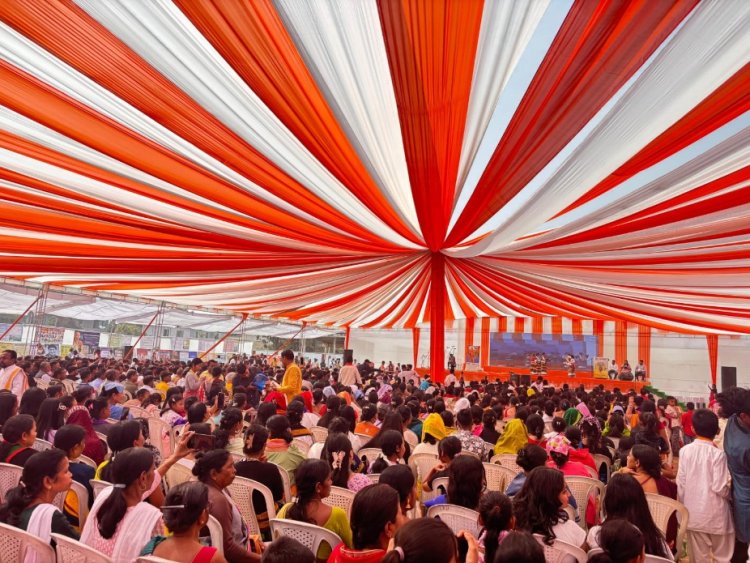
In today's rapidly changing world—where cultural values often face challenges—events like the 'Vishal Hindu Sammelan' (Massive Hindu Conference) become immensely significant. They serve as a reminder of our roots and inspire individuals to uphold the principles of unity, respect, and social responsibility.
As a social worker, I believe that true progress lies in striking a balance between development and cultural preservation. The success of these conferences in Nagaland demonstrates the power of collective effort and a shared vision. It illustrates that when people unite around a common purpose, they can create a meaningful and lasting impact on society.
The 'Vishal Hindu Sammelan 2026' stands as a vibrant testament to unity, cultural pride, and social harmony. This is not merely an event, but a movement—a movement that encourages people to stay connected to their heritage, while simultaneously inspiring them to work together to build a more united and progressive future.
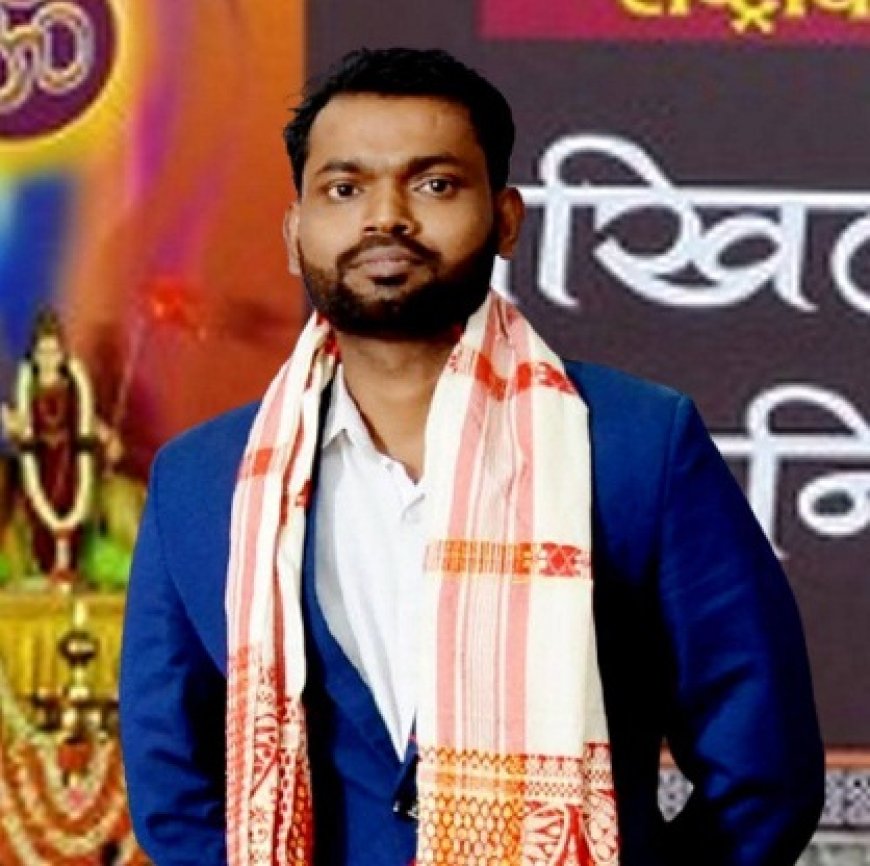
Author: RAJIB DUTTA, SOCIAL WORKER.
What's Your Reaction?